





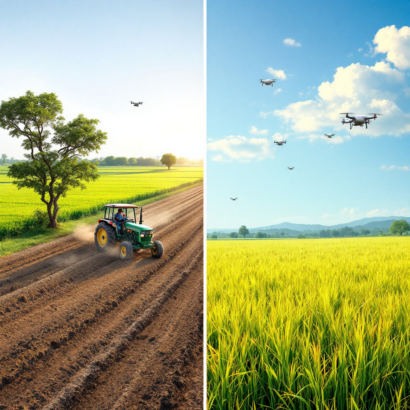
In an era where the world is prioritizing sustainability and clean living, India is quietly making waves by becoming a global leader in sustainable agro exports. With increasing demand for organic and environmentally responsible produce, India has strategically positioned itself as a reliable source for high-quality, eco-conscious agricultural products.
A Sustainable Revolution Rooted in Tradition
India’s shift toward sustainable agriculture isn’t just a modern phenomenon—it’s a return to its roots. From ancient organic practices to today’s certified farms, Indian agriculture is blending tradition with innovation. More farmers are adopting natural inputs, soil health regeneration, and water conservation techniques, aligning with international demand for clean and traceable food.

Export Growth Reflects Global Confidence
The numbers speak volumes. India’s organic product exports surged by 34.6% in 2024–25, reaching a remarkable USD 666 million. This growth isn’t just about quantity; it reflects global trust in Indian produce and its consistent adherence to sustainable practices.
From organic spices and oilseeds to fresh fruits, vegetables, and grains, Indian exports are now making their mark in key global markets, including the United States, European Union, Middle East, and Southeast Asia.
Government Support: The Backbone of Progress
India’s transformation in the agro-export space has been significantly accelerated by strong policy backing. Initiatives such as:
- Paramparagat Krishi Vikas Yojana (PKVY)
- Mission Organic Value Chain Development for North Eastern Region
- National Programme for Organic Production (NPOP)
…have empowered farmers to adopt sustainable practices, gain international certifications, and tap into global markets with confidence. These efforts ensure quality control, traceability, and credibility in the global organic value chain.
Why India Holds a Competitive Edge
India’s natural agro-diversity gives it an unbeatable advantage. From Himalayan herbs to tropical fruits and spices, few countries offer such a wide variety of climate zones under one roof. This, coupled with a cost-effective farming ecosystem, makes Indian sustainable products affordable, high-quality, and scalable—a rare trifecta in global trade.
Challenges and the Way Forward
While the momentum is promising, there’s work to be done. Scaling up India’s sustainable export capabilities will require:
- Infrastructure upgrades in storage and logistics
- Wider access to global certifications
- Continued digital empowerment of farmers
- Stronger branding of Indian organic produce on the world stage
Investments in these areas will further solidify India’s reputation as a consistent, quality-driven exporter.
Conclusion: A Green Future on the Global Table
India’s rise in sustainable agro exports isn’t just a policy success—it’s a testament to what’s possible when traditional wisdom meets modern ambition. As global consumers demand cleaner, more ethical food, India is not just meeting expectations—it’s setting benchmarks.
The future of food is green, and India is firmly planting its flag at the forefront of this movement.