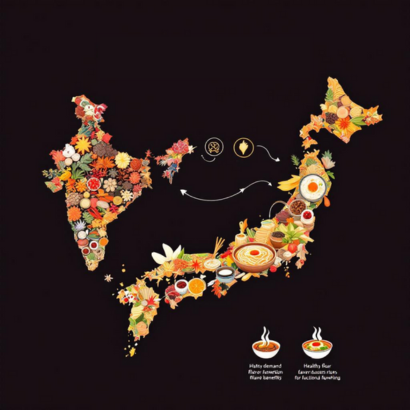




In the fast-evolving landscape of global food trade, India’s agro-export sector is emerging as a key player, particularly in high-demand regions like the Middle East. Among these, Saudi Arabia stands out not only for its market potential but also for its strict regulatory framework governing food imports. At the heart of this framework is the Saudi Food and Drug Authority (SFDA) — an institution known for its meticulous standards related to food safety, hygiene, traceability, and certification.
For Indian agro exporters, aligning with SFDA regulations is both a challenge and an opportunity — a chance to showcase the nation’s growing capabilities in quality assurance, traceability, and regulatory compliance. Here’s how Indian exporters are rising to the occasion.
Understanding the SFDA’s Stringent Requirements
The SFDA has built a robust regulatory environment with clear emphasis on:
- Microbiological and chemical safety
- Proper labeling and documentation
- Certified food safety management systems
- Traceability from origin to shelf
Any agro product entering the Saudi market — from spices and rice to processed food and dairy — must be certified and tested in compliance with SFDA norms.
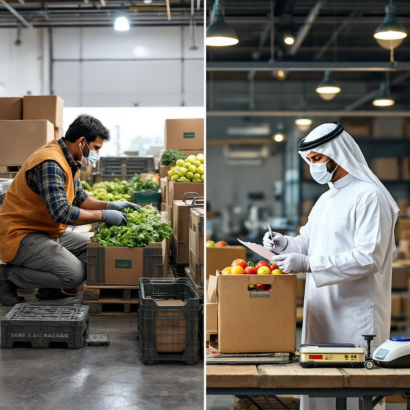
India’s Leap in Food Safety Infrastructure
India’s food export ecosystem has undergone a remarkable transformation over the past decade. Supported by government initiatives and private investment, the country now boasts a network of:
- ISO 17025-accredited food testing laboratories
- State-of-the-art cold chain systems
- Digital traceability platforms
- Certifications such as ISO 22000, HACCP, and FSSAI-compliance
These tools collectively ensure that food products meet the highest levels of safety, hygiene, and quality — crucial not only for SFDA approval but also for building long-term trust with Saudi importers.
Key Certifications That Strengthen Market Access
- HACCP (Hazard Analysis & Critical Control Points):
A foundational certification that ensures risk-based safety management from production to packaging. - ISO 22000 & ISO 9001:
These certifications affirm global quality and food safety management systems, often mandated for SFDA approval. - FSSAI (Food Safety and Standards Authority of India):
India’s regulatory body, which collaborates with international counterparts to align standards and enforce best practices at the source.
Halal Certification:
Essential for exports to Saudi Arabia, ensuring the product is compliant with religious and cultural norms in addition to health and safety.
The Role of Digitalization and Traceability
Modern Indian exporters are integrating blockchain-based traceability, QR-coded packaging, and AI-enabled monitoring systems to ensure end-to-end product tracking. This not only meets SFDA’s traceability standards but also offers transparency to both regulators and consumers in Saudi Arabia.
Case Studies: Indian Exporters Leading the Way
Several Indian agro exporters — especially in the spices, processed foods, and fruits & vegetables categories — have successfully cleared SFDA audits by:
- Partnering with certified labs for regular product testing
- Hiring food safety consultants for documentation and training
- Participating in government-sponsored export facilitation programs like APEDA and MPEDA
These exporters are now setting benchmarks for others in the sector.
India-Saudi Arabia: A Growing Agro-Trade Partnership
With Saudi Arabia heavily reliant on food imports and India aiming to double agro-exports, the synergy between the two is unmistakable. The mutual goal is not just trade — but sustainable, traceable, and safe food supply chains.
SFDA’s stringent norms act not as a barrier, but as a filter that encourages higher standards — a challenge Indian exporters are increasingly equipped to meet.
Conclusion: From Compliance to Competitive Advantage
For Indian agro-exporters, meeting SFDA norms isn’t just about clearing a checklist — it’s about embracing a culture of excellence that gives them a competitive edge in global markets. With continued investment in technology, infrastructure, and certifications, India is not only complying with global standards but actively shaping them.
As the Saudi market continues to expand, Indian exporters who prioritize safety, documentation, and quality will be best positioned to lead.