


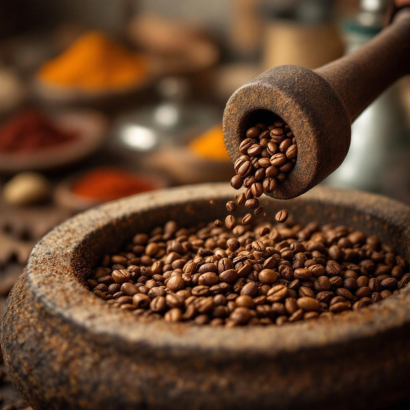
The Middle East has long embraced coffee not just as a beverage but as a symbol of hospitality, culture, and social connection. In recent years, the GCC (Gulf Cooperation Council) countries—comprising Saudi Arabia, UAE, Qatar, Kuwait, Bahrain, and Oman—have seen a remarkable surge in specialty coffee culture. While Ethiopian and Colombian beans have traditionally dominated this space, Indian coffee is steadily earning its place in the spotlight. But what’s driving this shift, and why are GCC consumers increasingly drawn to Indian coffee?
The Rise of Specialty Coffee in the GCC
Across cities like Dubai, Riyadh, and Doha, the café culture has transformed into a sophisticated, quality-driven movement. Consumers are no longer satisfied with generic espresso shots or mass-produced blends. They are seeking traceability, unique flavor notes, sustainable sourcing, and artisanal roasting techniques. Specialty coffee roasters and third-wave cafes are flourishing, with baristas and patrons alike becoming more educated about origin, processing methods, and brewing profiles.
Indian Coffee: A Unique Offering
India has been cultivating coffee since the 17th century, primarily in the southern states of Karnataka, Kerala, and Tamil Nadu. But it’s only recently that Indian beans have started making waves in the global specialty coffee market. The reasons are compelling:
- Distinct Flavor Profiles: Indian coffee, especially from estates in Chikmagalur, Coorg, and the Nilgiris, offers complex flavor notes ranging from chocolatey and nutty to fruity and spicy. This diversity appeals to specialty coffee drinkers seeking new and exciting sensory experiences.
- High Altitude and Shade-Grown Cultivation: Indian coffee is mostly grown under natural forest canopies at elevations of 900 to 1,500 meters. This shade-grown environment, combined with monsoon aging techniques unique to India, contributes to its mild acidity, full body, and rich aroma.
- Innovation and Quality Control: A new generation of Indian coffee growers is adopting innovative processing methods such as honey processing, natural fermentation, and anaerobic techniques—tailoring beans for a global specialty audience. This meticulous approach has helped Indian coffee achieve high cupping scores and earn recognition in global competitions.

Growing Demand in the GCC Market
So, why is Indian coffee resonating with the GCC market?
- Cultural Affinity for Strong, Rich Brews
Indian coffees—often full-bodied and intense—suit the regional preference for robust flavors, especially when prepared through traditional brewing methods like Arabic coffee pots or modern espresso machines. - Ethical and Sustainable Sourcing
GCC consumers, particularly in urban centers like Dubai and Doha, are becoming more conscious of the sustainability and ethical aspects of their purchases. Indian estates that focus on organic farming, fair labor practices, and traceability are finding favor among importers and café owners. - Proximity and Trade Advantage
India’s geographic proximity to the Gulf and strong trade ties with the GCC offer logistical advantages. Reduced transit time ensures fresher beans, and regional partnerships have led to the emergence of Indian-origin single-estate coffees on café menus across the Gulf. - Rising Presence in Coffee Expos and Trade Events
Indian coffee exporters and growers have become more active participants in international trade expos such as the World of Coffee and Dubai International Coffee & Tea Festival. This visibility has helped raise awareness and trust in Indian-origin beans among buyers in the GCC.
Key Players Driving the Movement
Several Indian specialty coffee brands and cooperatives are leading the charge in this movement. Names like Araku Coffee Roasters are not only building domestic recognition but also forging partnerships in GCC countries. These brands emphasize direct trade, quality control, and storytelling around the farmers—elements that resonate with specialty coffee aficionados.
Moreover, GCC-based roasteries are increasingly sourcing Indian beans, recognizing their potential to diversify offerings. Some cafes are even highlighting “Indian origin” beans as a point of distinction, further boosting their reputation.
Conclusion: A Brewed Future
As the specialty coffee scene in the GCC matures, Indian coffee’s momentum is only expected to grow. With its unique terroir, innovative processing methods, and commitment to quality, India is not just entering the conversation—it’s shaping it.
In a region that values authenticity, craftsmanship, and bold flavor, Indian coffee offers a compelling blend of tradition and innovation. Whether sipped in a minimalist café in Dubai or brewed in a Riyadh home, Indian beans are proving they deserve a permanent place on the specialty coffee map of the Middle East.