






Across continents and cultures, tea remains one of the most consumed and cherished beverages in the world. From morning rituals to evening unwinding, tea offers much more than refreshment—it brings warmth, wellness, and a deep-rooted tradition that spans centuries.
Whether it’s a steaming cup of Assam black tea, a soothing brew of green tea, or the calming essence of herbal infusions, tea has carved a permanent place in the hearts of people. But beyond its flavor and fragrance lies a rich story of health, heritage, and quality craftsmanship.
What is Tea?
Tea is made by infusing the leaves of the Camellia sinensis plant in hot water. The variety of tea depends on how the leaves are processed after harvest—oxidation, drying, rolling, and fermentation play a key role in the final flavor, color, and aroma.
The five most common types of tea are:
- Black Tea – Fully oxidized, bold in flavor.
- Green Tea – Unoxidized, rich in antioxidants and light taste.
- White Tea – Minimally processed, delicate and sweet.
- Oolong Tea – Partially oxidized, complex and aromatic.
- Herbal Tea – Not true tea (not from Camellia sinensis) but made from herbs, flowers, or spices.
Health Benefits of Tea
Tea is more than a beverage—it’s a wellness tonic enjoyed for centuries in Ayurveda, Traditional Chinese Medicine, and modern science alike. Here’s how tea supports your health:
✅ Boosts Immunity
Green and herbal teas are rich in catechins, polyphenols, and flavonoids that strengthen immune function.
✅ Supports Heart Health
Regular tea consumption, especially black and oolong teas, helps reduce blood pressure and bad cholesterol (LDL).
✅ Enhances Digestion
Peppermint, ginger, and chamomile teas soothe digestion and reduce bloating or stomach discomfort.
✅ Aids in Weight Management
Green tea boosts metabolism, helps in fat oxidation, and is a common natural aid in weight control.
✅ Reduces Stress
L-theanine in tea promotes relaxation without drowsiness—perfect for calming the mind after a long day.

Why Indian Tea is World-Renowned
India is one of the largest tea producers and exporters globally, known for its rich, flavorful varieties grown across picturesque estates. Major tea-growing regions in India include:
- Assam – Produces strong, malty black tea with high caffeine content.
- Darjeeling – Known as the “Champagne of Teas,” delicate with floral and musky notes.
- Nilgiri – Aromatic and smooth, grown in the Blue Mountains of South India.
- Kangra – Lesser-known but gaining global recognition for its subtle flavor and bright liquor.
Indian teas are exported to over 100 countries and are praised for their aroma, strength, and health benefits.
Types of Tea Products in the Market
1. Loose Leaf Tea
Preferred by connoisseurs for the freshest flavor. Ideal for brewing in pots or infusers.
2. Tea Bags
Convenient and travel-friendly. Available in black, green, flavored, and herbal options.
3. Instant Tea Powder
Perfect for quick preparation, especially masala chai and iced tea blends.
4. Herbal & Wellness Blends
Combines traditional herbs like tulsi, ashwagandha, ginger, or turmeric for health benefits.
5. Flavored and Specialty Teas
Includes teas blended with fruit peels, flowers, spices, and natural flavors to suit modern tastes.
How Tea is Consumed Around the World
Tea culture varies greatly from one region to another:
- India: Chai is a staple—boiled with milk, sugar, and spices.
- Japan: Matcha tea ceremonies celebrate mindfulness and purity.
- UK: Black tea with milk during afternoon tea is a daily ritual.
- China: Traditional tea drinking involves Gongfu ceremonies with green or oolong teas.
- Morocco: Mint tea sweetened with sugar and poured from a height is a symbol of hospitality.
Tea for Businesses: Why Demand is Soaring
Global trends indicate a massive shift toward health-conscious consumption, driving demand for organic, herbal, and specialty teas. Key markets include:
- Europe & North America: High demand for green tea, detox blends, and herbal infusions.
- Middle East & Africa: Preference for strong black tea and instant chai.
- Southeast Asia: Popularity of milk teas, bubble tea, and wellness blends.
If you’re a tea exporter, wholesaler, or private label tea brand, now is the perfect time to align with this growing market. Consumers are actively seeking clean-label, ethically sourced, and flavorful teas that deliver both taste and health.
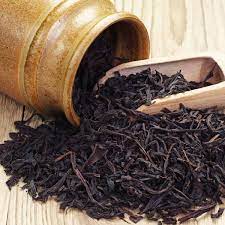
Choosing the Right Tea Supplier
When sourcing tea in bulk or for retail, keep these points in mind:
- Origin and Estate Quality: Tea from high-altitude gardens is more aromatic and flavorful.
- Processing Standards: Hand-plucked, orthodox teas are superior in quality.
- Certifications: Look for FSSAI, ISO, USDA Organic, Fair Trade, or Rainforest Alliance for added trust.
- Custom Packaging: Essential for B2B and private labeling ventures.
- Consistency & Traceability: Important for long-term supply and trust with your customers.
Brewing the Perfect Cup of Tea
Each type of tea requires a different brewing technique. Here’s a basic guide:
| Tea Type | Water Temp | Steep Time | Notes |
|---|---|---|---|
| Black Tea | 90–95°C | 3–5 mins | Can add milk/sugar |
| Green Tea | 75–85°C | 2–3 mins | Avoid boiling water |
| Oolong Tea | 85–90°C | 3–5 mins | Steep multiple times |
| White Tea | 70–80°C | 2–4 mins | Very delicate flavor |
| Herbal Tea | 95–100°C | 5–7 mins | Best with closed lid |
Always use fresh, filtered water and avoid over-steeping to preserve flavor and avoid bitterness.
Final Thoughts
Tea isn’t just a beverage—it’s a ritual, a remedy, and a reflection of culture and care. From morning energy boosts to calming bedtime brews, tea connects people, promotes wellness, and delivers pleasure in every sip.
As the global market for quality teas continues to grow, choosing the right product—whether for personal use or business—can make a world of difference.
So go ahead, brew a cup, and sip the tradition, health, and richness that only authentic tea can offer.