





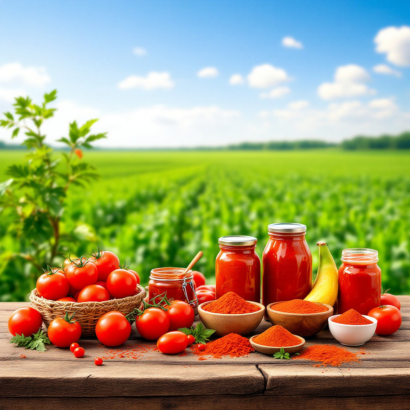
India, one of the world’s leading producers of tomatoes, is now turning a quiet corner in the global agro market—leveraging tomato paste, puree, and powder as unexpected yet powerful export products. This transformation from raw produce to high-value agro-processed goods is not only reducing post-harvest waste but also creating a significant new stream of revenue for the country.
The Global Appetite for Processed Tomatoes
The global market for tomato-derived products like paste and puree is growing at an impressive pace. With changing food habits and the boom in packaged and fast food industries, these products have become essentials for manufacturers and kitchens worldwide. India’s role in this ecosystem is growing quietly but steadily, with exports of tomato-based products expanding to the Middle East, Europe, the U.S., and Southeast Asia.
While fresh tomato exports can be inconsistent due to shelf-life concerns, processed forms like paste and powder solve that issue entirely. These products are compact, long-lasting, and ideal for bulk buyers overseas. Indian companies have adapted to this demand with precision, introducing a range of packaging and formulations suited to every kind of buyer—from industrial bulk to retail-ready pouches.
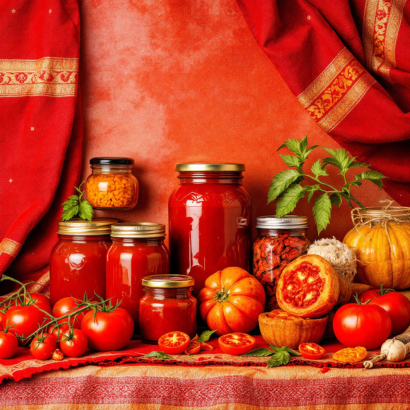
How India is Winning with Processed Tomatoes
India’s strength in this sector isn’t just about volume—it’s about value addition. Here’s what’s helping Indian tomato exports stand out:
Micro-Zoned Cultivation: Some tomato belts in India now operate under export contracts, ensuring consistency in quality and traceability—an emerging demand from European and American buyers.
Specialty Tomato Varieties: Indian agricultural scientists have developed high-solid-content tomato varieties specifically suited for paste and powder production. These varieties have less water and higher pulp, improving yield and reducing energy usage during processing.
State-of-the-Art Processing Units: Facilities in Andhra Pradesh, Maharashtra, and Himachal Pradesh are now equipped with European technology for vacuum evaporation and aseptic packaging, allowing India to meet the highest global quality and safety standards.
Little-Known Facts About India’s Tomato Export Scene
- The Powdered Advantage: Tomato powder, though less glamorous than paste or puree, is becoming India’s stealth export hero. It’s heavily used in spice blends, instant noodles, ready-to-eat curries, and military ration kits—markets where India is already dominant.
- Price Leadership: Indian tomato paste often sells at 10-15% lower rates than Chinese or Turkish alternatives, without compromising on quality. This has helped India win over buyers in Africa and Southeast Asia.
- Reverse Trade: Interestingly, some processed tomato companies in India import certain varieties of raw tomatoes from other countries during off-season months to keep plants running at full capacity—adding further layers to this global play.
- Waste-to-Value: Skins and seeds discarded from puree production are being used by innovative Indian startups to extract lycopene (a powerful antioxidant), which is then sold to nutraceutical companies in Europe and Japan.
The Road Ahead
While India is on the rise, the sector still faces some challenges. Tomato price volatility during peak seasons, cold chain infrastructure gaps, and limited farmer awareness about export contracts remain issues. But with a strong government focus on agro-processing and export diversification, the outlook remains promising.
What was once a perishable surplus with little export value is now emerging as a packaged, shelf-stable powerhouse. Tomato paste, puree, and powder might not be glamorous, but they’re quietly becoming India’s secret agro export weapon—one processed tomato at a time.