



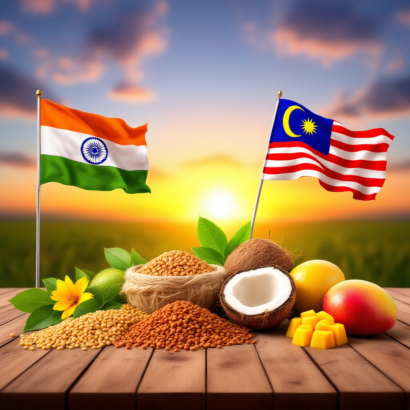
The culinary landscapes of India and Malaysia are deeply rooted in tradition, rich in biodiversity, and brimming with tropical flavors. As cross-border trade and cultural exchange continue to grow, the harmony between Indian agro products and Malaysian ingredients is capturing global attention—particularly in the food and beverage industry.
Indian exports such as mango pulp, jaggery, and turmeric are not only celebrated for their nutritional and medicinal properties but also for their versatility in enhancing regional Malaysian dishes. This tropical synergy opens exciting possibilities for food innovation, sustainable trade, and culinary fusion.
Mango Pulp: A Sweet Harmony with Malaysian Desserts and Beverages
India, being one of the largest producers of mangoes, offers premium-grade mango pulp—especially from the Alphonso and Kesar varieties. These pulps are naturally sweet, aromatic, and richly textured, making them an ideal base for a wide range of Malaysian desserts and beverages.
In Malaysia, mango pulp is increasingly used in:
- Ais Kacang and Cendol for fruity overtones
- Smoothies and bubble teas, blended with local ingredients like pandan and coconut milk
- Mango sticky rice variations with a tropical twist
The fusion of Indian mango pulp with Malaysian taste preferences provides a delightful sensory experience, while also offering a longer shelf life and consistent quality for commercial use.
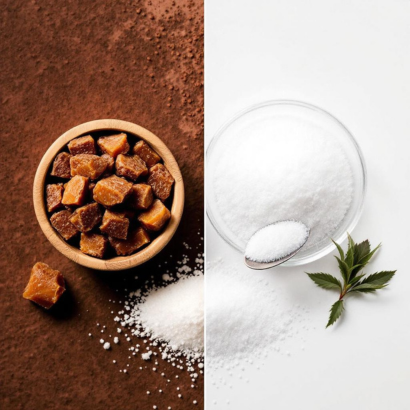
Jaggery: A Health-Conscious Alternative Sweetener
As consumers shift towards healthier alternatives, jaggery—or gula melaka as locally known in its palm sugar variant—brings a natural, mineral-rich substitute to refined sugars. Indian jaggery, made from sugarcane, has a distinct earthy flavor and complements Malaysian dishes that emphasize caramel notes and molasses-like depth.
It finds application in:
- Traditional kueh and kuih recipes
- Herbal teas and tong sui (sweet soups)
- Natural sweeteners for sauces, glazes, and marinades
The growing demand for clean-label ingredients makes jaggery a promising export product that aligns with Malaysia’s evolving health trends and heritage food revival.
Turmeric: Rooted in Tradition, Blossoming in Innovation
Turmeric is more than just a spice—it is a symbol of wellness. Indian turmeric, especially from the regions of Erode and Salem, is renowned for its high curcumin content and vibrant color. In Malaysian kitchens, turmeric is a core element in both Malay and Indian dishes, such as ayam percik, kari ikan, and nasi kunyit.
With rising global interest in anti-inflammatory foods, turmeric is also making its way into:
- Health drinks and lattes
- Spice blends and condiments
- Functional beverages and fusion cuisine
The medicinal value of Indian turmeric, paired with its culinary versatility, adds both flavor and function to Malaysia’s food landscape.
Cross-Border Synergy: Opportunities for Traders and Innovators
The complementary nature of Indian agro exports and Malaysian ingredients offers a fertile ground for:
- Food startups experimenting with tropical flavors
- Restaurants and cafés exploring Indo-Malay fusion menus
- Exporters and distributors seeking high-demand, culturally relevant products
By sourcing high-quality Indian products like mango pulp, jaggery, and turmeric, Malaysian businesses can cater to health-conscious, flavor-seeking consumers while reinforcing regional trade ties.
Conclusion: A Blend of Culture, Commerce, and Cuisine
The collaboration between Indian agro exports and Malaysian culinary traditions reflects a deeper tropical synergy—one that blends culture with commerce, and tradition with innovation. As food trends evolve and consumer palates grow more adventurous, this Indo-Malaysian flavor partnership stands as a testament to the power of regional integration through agro-trade.