





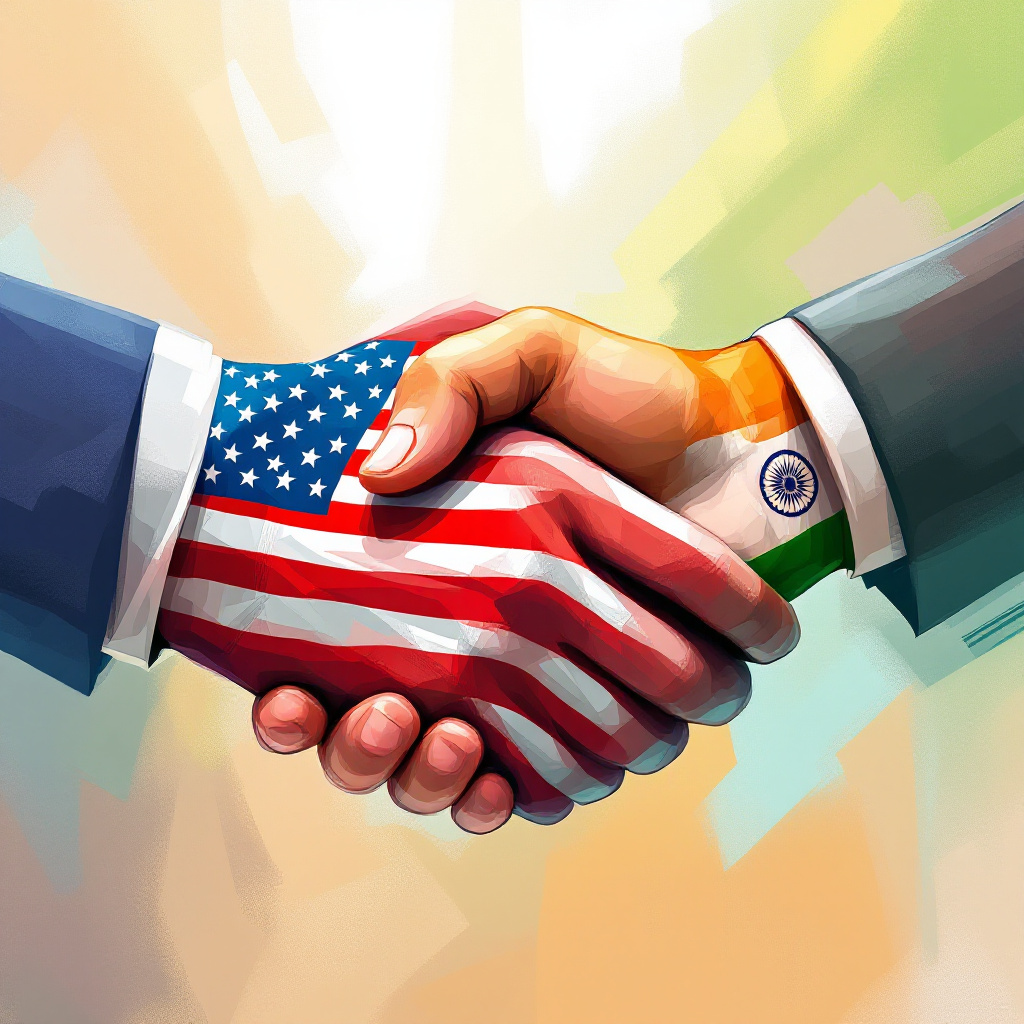
The world economy has once again been jolted by a bold move from former U.S. President Donald Trump. In a significant policy shift, Trump has announced a “Fair and Reciprocal Plan,” imposing tariffs on imports across the board. The decision is aimed at correcting what he describes as unfair trade practices that have put the United States at a disadvantage for decades.
What’s Changing?
Under this new plan, all imported goods into the U.S. will now carry a minimum 10% tariff. However, some countries are facing much heavier duties, reflecting the level of disparity Trump perceives in their existing trade policies.
- China has been hit the hardest, facing a staggering 34% tariff.
- The European Union is next, with a 20% tariff on its exports.
- India, despite its ongoing trade negotiations with the U.S., is now subject to a 26% tariff.
Why India?
India’s inclusion in the higher tariff bracket has raised eyebrows. According to Trump, India has long benefited from an imbalanced trade structure, imposing hefty tariffs on American goods while enjoying low import duties in return. The former U.S. President justified the move, stating that India charges U.S. exporters nearly 52%, while American tariffs on Indian goods have been “almost nothing” until now.
This sudden policy change comes in the middle of crucial trade talks between India and the U.S., adding a new layer of complexity to diplomatic and economic relations.
India’s Response: A Strategic Move or a Diplomatic Challenge?
India’s Ministry of Commerce is currently assessing the full impact of these tariffs. Officials are in discussions with industries affected by the move, especially in key sectors such as IT, pharmaceuticals, textiles, and auto parts—all of which contribute significantly to India’s exports to the U.S.
While India has historically taken a cautious yet firm approach in trade negotiations, this tariff hike could lead to countermeasures or adjustments in trade policies. Some analysts suggest that India might diversify its export markets or negotiate tariff relaxations in specific sectors to cushion the blow.
Global Reactions and Market Impact
The ripple effects of Trump’s tariff decision have already started shaking global financial markets.
- Asian markets reacted negatively, with Japan’s Nikkei suffering a sharp decline.
- Wall Street saw a drop in stock prices, as investors braced for potential inflation due to higher import costs.
- China, the EU, and other affected countries have strongly criticized the move, warning of retaliatory tariffs that could trigger a full-scale trade war.
Global economists believe that these protectionist measures could lead to higher prices for American consumers while disrupting the global supply chain. Some experts argue that while such tariffs may temporarily benefit U.S. industries, they could strain international relations in the long run.
What’s Next?
As the world watches closely, the new tariffs are set to take effect in two phases—with the 10% blanket tariff starting on April 5, followed by the higher reciprocal tariffs on April 9. This move signals a major shift in the global trade landscape, forcing nations to rethink their trade strategies. For India, the road ahead will require careful navigation—balancing diplomatic ties with the U.S. while protecting its industries from the economic impact of these tariffs. The next few months will be crucial in determining whether this is just a temporary trade tension or the beginning of a long-term shift in Indo-U.S. trade relations.